
nrodgers

About Natalie Rodgers

This author has not yet filled in any details.
So far Natalie Rodgers has created 67 blog entries.

Choosing ICF or Steel for Commercial Construction?

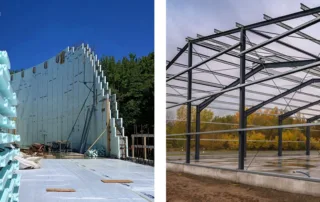
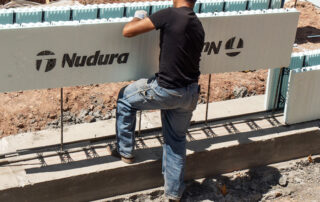
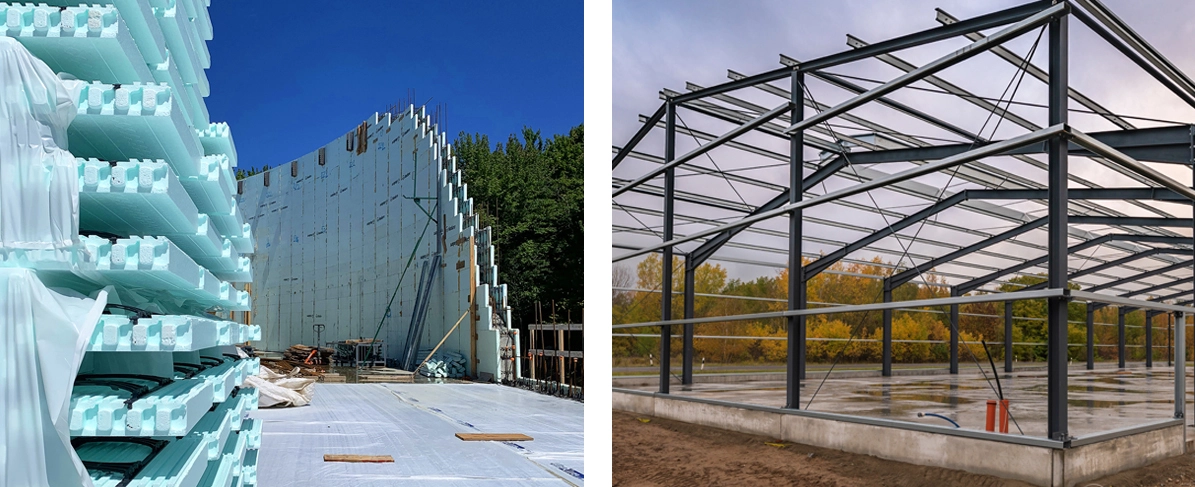
If you’re planning a large-scale commercial build, choosing the right building materials is the foundation for your success. Considerations such as energy efficiency, budget and long-term performance are essential when comparing your options. Insulated Concrete Forms (ICFs) and steel construction stand out as top contenders, but which is the best solution for your project’s needs? This guide offers a detailed comparison of ICFs and steel-framing, examining critical factors such as durability, energy efficiency and cost-effectiveness. Energy Performance When it comes to thermal performance, ICFs far surpass steel construction. ICF walls feature continuous insulation (CI) on both the interior and exterior, eliminating thermal bridging, minimizing air leakage and improving energy efficiency. For example, a standard 6-inch Nudura ICF wall achieves an R-value of R24. Meanwhile, steel’s high thermal conductivity leads to significant heat transfer issues, reducing conventional insulation effectiveness by up to 63% ..The energy inefficiency with steel significantly impacts HVAC performance, resulting in higher operational expenditures over the life of the building and potential occupant discomfort due to inconsistent indoor temperatures. With ICFs, you not only have optimal energy performance but also lower HVAC demand, which can reduce monthly utility bills by up to 60%. Learn more by clicking here.

By |2025-12-10T13:51:08-06:00February 4, 2026|Design, Featured, ICF Projects|

Stronger Foundations with ICF Basements and Crawl Spaces

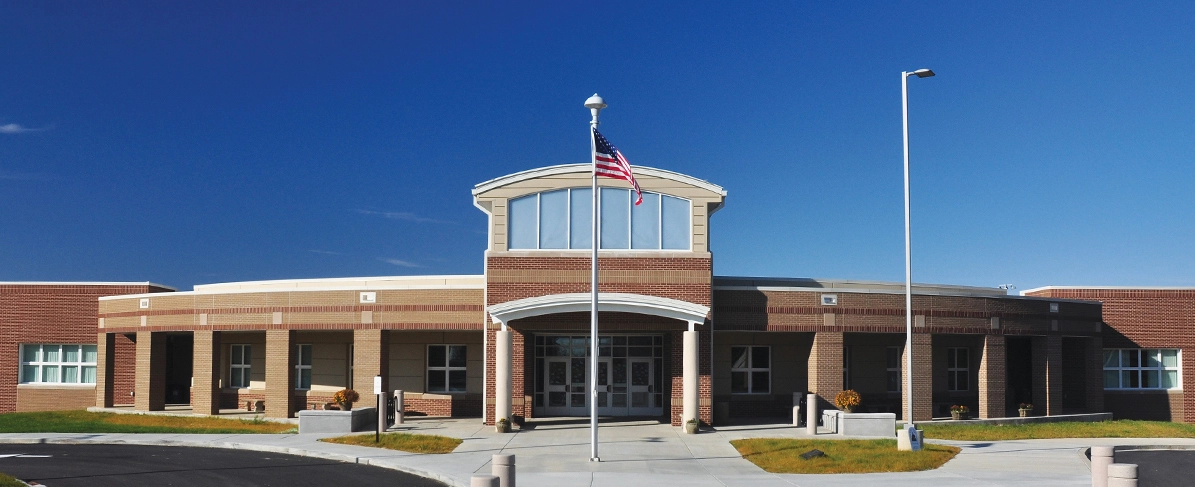
If you're planning to build a new house, it is important to do your research on more than just the home’s aesthetics and consider the different foundation options to prevent costly waterproofing problems down the line in your basement or crawl space. Home foundation types should be evaluated prior to construction to maximize the project’s timeline and manage homeowners’ long-term maintenance expectations. This blog post will help homebuilders and homeowners alike to understand the typical crawl space and basement foundation methods, including poured concrete and CMU foundations, and learn why Insulated Concrete Forms (ICFs) are the preferred alternative. Home Foundation Types In residential construction, concrete foundations are common, but there are numerous methods to building them. A conventional concrete foundation can be achieved through a block foundation or a poured foundation, also known as cast-in-place. These options for building basements and crawlspaces have their downsides though. Block Foundation A concrete block foundation or concrete block basement involves stacking cinder blocks to create the structural basis of the home. These CMU blocks typically require a parge coat be applied to the exterior surface, so there is a smooth monolithic surface for the waterproofing membrane to be applied to. CMUs are porous and therefore [...]

By |2025-12-10T13:44:19-06:00January 7, 2026|Design, Featured, ICF Projects|

How ICFs Revolutionize Homebuilding

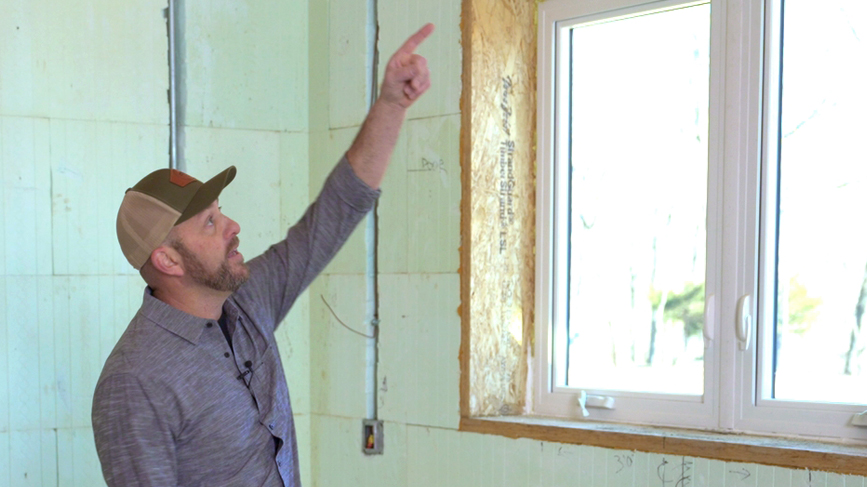
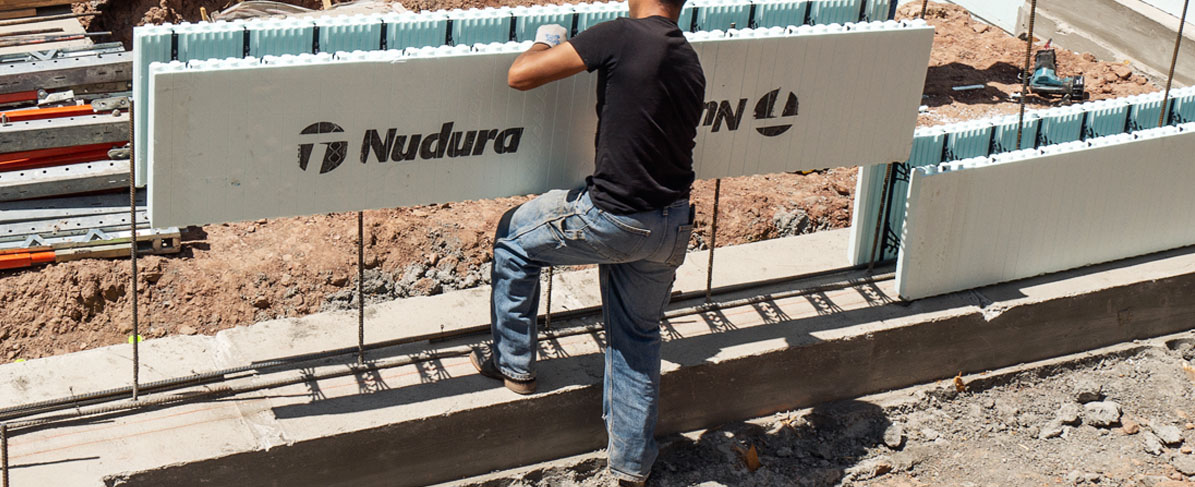
Insulated Concrete Forms are two panels of expanded polystyrene (EPS) foam connected together with a web system, reinforced with rebar, and then filled with concrete to create a structurally solid and highly insulated wall. Compared to traditional wood-frame construction, ICFs provide continuous insulation that maximizes thermal efficiency and reduces heating and cooling costs for the owner. For Dave, the appeal of ICFs lies in their ability to deliver “sustainability without sacrifice”. In addition to being eco-friendly, building with ICFs improves a structure’s fireproofing, sound dampening and resistance to high winds and debris impact. This disaster protection was critical for Dave’s projects in Arkansas, where they’re seeing an increase in tornado activity. Therefore, he says that contractors should view ICFs as a unique opportunity to meet customer demands for resilient and energy-efficient homes. The most surprising aspect of ICF building for Dave was its speed compared to conventional framing methods. Dave explained how he constructed the exterior of a 2,000 sq ft home in just a day and a half with Nudura’s Insulated Concrete Forms. With ICFs, Dave and his team were able to minimize construction time, save costs on materials like OSB and sprayfoam insulation and significantly reduce on-site waste. Read the full [...]

By |2025-12-10T13:40:47-06:00December 17, 2025|Design, Featured, ICF Projects|
Go to Top