nrodgers

About Natalie Rodgers

This author has not yet filled in any details.
So far Natalie Rodgers has created 64 blog entries.

Building Hope and Homes with Quad-Lock ICF: Habitat for Humanity in Gig Harbor WA

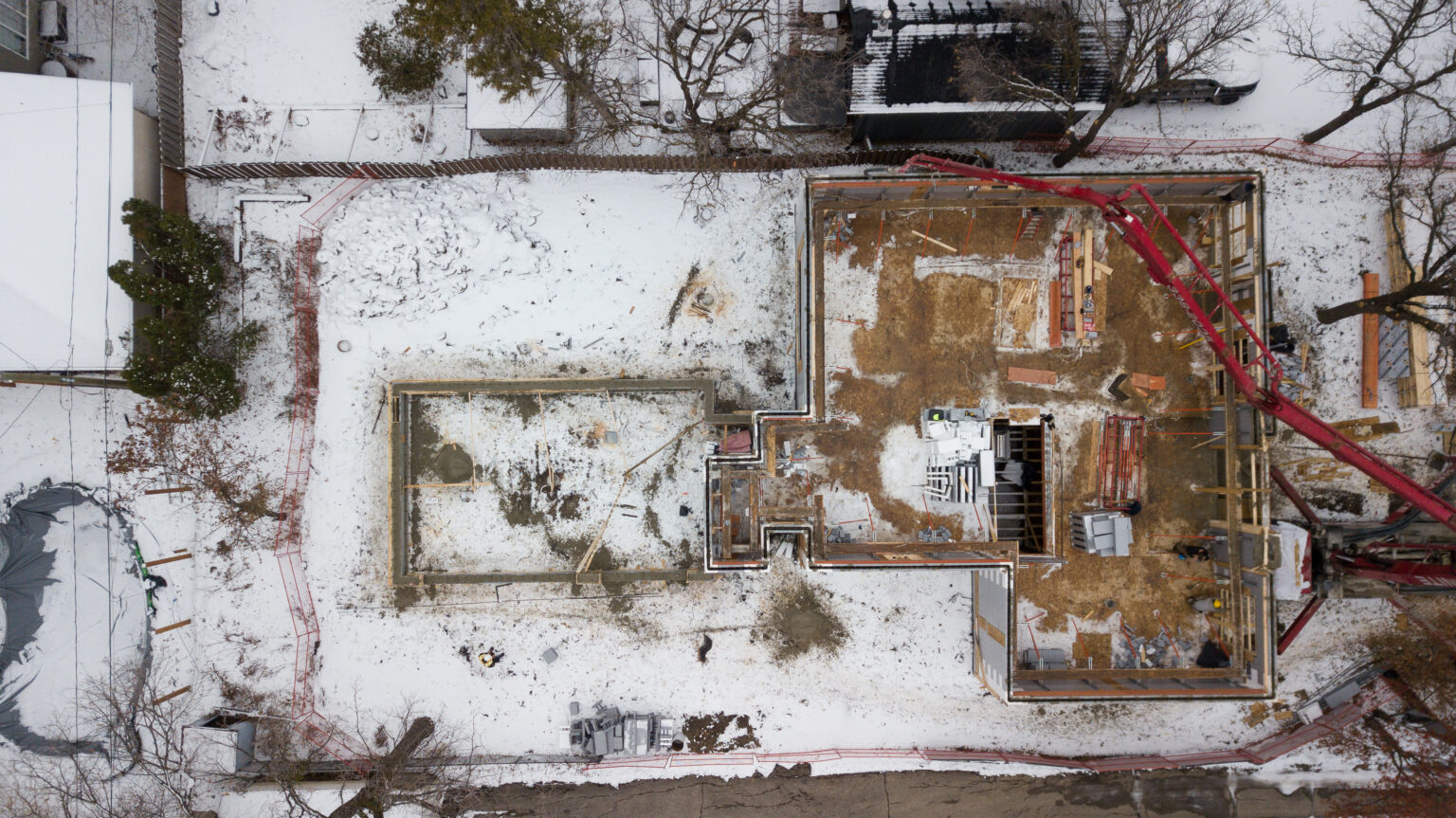
In the coastal town of Gig Harbor, Washington, a remarkable project is underway—one that combines the power of community, innovation, and compassion. Habitat for Humanity, a non-profit organization dedicated to providing affordable housing to local families in need, has partnered with Airfoam, among many other groups, to make dreams come true for deserving families. Building Foundations, Building Lives Habitat for Humanity has been a beacon of hope for countless families across the United States and around the world. Founded on the principle that everyone deserves a decent place to live, this organization has been working tirelessly for decades to break the cycle of poverty and provide affordable housing solutions. Airfoam is a company known for its cutting-edge insulating construction technology. Their Quad-Lock Insulated Concrete Forms (ICFs) provide superior insulation and strength, making them ideal for sustainable and energy-efficient buildings. By teaming up with Habitat for Humanity and leveraging the expertise of Airfoam’s Quad-Lock ICF brings innovation to the forefront of the affordable housing movement. Gig Harbor: A Community of Compassion Gig Harbor, nestled along the Puget Sound, is a place known for its natural beauty and tight-knit community. It’s also a region where the rising cost of living has made it increasingly difficult for [...]

By |2024-03-06T09:06:12-06:00March 6, 2024|Featured, ICF Projects|

Future-Proof Your New Home with ICFs

If you’re building a new home, safety and comfort are typically the top priorities. From there, aesthetics, energy-efficiency, and cost are secondary factors. Therefore, it is critical that your architect and contractor are prioritizing building beyond code and utilizing materials that will ensure the longevity and durability of the structure in any and all weather conditions, making it “future-proof”.For your exterior wall construction, insulated concrete forms (ICFs) can give you this peace of mind and help meet all your safety, comfort, and energy objectives while staying within budget and achieving the curb appeal you desire. Safety and Comfort Whether you’re downsizing, expanding, or moving to a different city, constructing a new home is all about establishing and maintaining a good quality of life for you and your family. Constructing with ICFs is the first step towards this goal. Once installed, ICFs create a wall of solid concrete with continuous insulation on both the interior and exterior of the building. The monolithic concrete core of the ICF walls are extremely strong and enables them to withstand winds up to 250 mph (402 kph). This extreme durability has led ICFs to be the go-to construction material to construct storm shelters and buildings in hurricane- and [...]

By |2024-03-06T09:06:45-06:00March 6, 2024|Featured|

3 Reasons to Build a Disaster-Proof Home

With the severe weather events occurring across North America, it is more important now than ever that you have a house that can stand up to nature’s worst. Whether it’s tornados, wildfires, floods, hurricanes or earthquakes, you want to know that you and your family are safe and protected in your own home.This means making sure your home is built with quality products that can withstand wind, hail, fire, and flying debris. One of the best disaster-resilient building materials on the market are insulated concrete forms (ICFs) from Nudura. ICFs are used instead of traditional wood or steel framing for a structure’s exterior walls to provide superior strength, safety, and durability against extreme weather conditions. It also offers lower utility costs over the lifespan of your home. Here are just some of the reasons to consider building your next home with disaster-resilient ICFs: Fire ProtectionConcrete is tougher and less flammable than wood. Nudura ICF walls, with a concrete core and non-toxic, fire retardant expanded polystyrene (EPS) foam provides a fire protection rating of up to four hours, whereas wood framing is only rated for 45 minutes. So in the event of a fire, you and your family will have more time to safely [...]

By |2024-03-06T09:08:23-06:00March 6, 2024|Featured|

Tips to prepare for your next big home project

If you’re looking to do a home renovation or build a new house altogether, the planning process is one of the most exciting, and stressful, parts of the project. With many of us spending more time at home than ever before, now’s the time to dream big. To help get you started, here are five tips for your next big home project, whether it’s a new pool, basement makeover, safe room addition, or even constructing a new house from scratch. Factor in your lifestyle Think about your priorities and lifestyle — do you work remotely without a proper home office? Do you enjoy cooking and entertaining? Is your backyard living up to its potential as an extension of your home? Asking these kinds of questions can help you determine the most beneficial focus for your next project. Educate yourself A home makeover is a big investment, and any decisions you make will hopefully last for years to come. So take some time to learn about materials, processes, and new innovations you can incorporate in your designs. You can make smarter purchasing decisions by finding out the answers to key questions, such as: How long will it last? Is this material resistant to [...]

By |2024-03-06T09:09:32-06:00March 6, 2024|Featured|

Reflecting on the True Costs of Hurricane Michael

Five years after Hurricane Michael struck in October 2018, the storm’s aftermath goes far beyond the $25 billion worth of damage it caused. This catastrophic event had a far-reaching impact, touching every aspect of life for those affected. Let’s look at the storm’s effects and how it provided lessons on how to build better to protect homes and families from future natural disasters.Impacts of Hurricane MichaelWith windspeeds up to 160 mph and a storm surge of 9 to 14 feet, Hurricane Michael left infrastructure in its wake in varied conditions. Homeowners had to deal with flood damage, mold, fixing or replacing roofs, fallen trees, and partially or entirely collapsed structures, forcing complete home rebuilds. In the resulting months, many reported that insurance didn’t cover the full scope of the necessary repairs.According to a survey conducted by the Wharton Risk Center and Resilience Action Fund, homeowners affected by Hurricane Michael shared significant additional costs beyond just property damage. They also cited ongoing financial impacts from debris clean up, generators, fuel, evacuation, temporary housing, medical expenses, legal fees and lost income. For example, if one’s workplace was unusable, they couldn’t get paid, putting them further behind in an already difficult situation. Rehousing elderly or sick [...]

By |2024-03-06T09:10:00-06:00March 6, 2024|Featured|
Go to Top