
News

9 04, 2026

A Global Approach to Earthquake Resistant Construction

By |2026-04-06T08:19:04-05:00April 9, 2026|Featured, Technical|

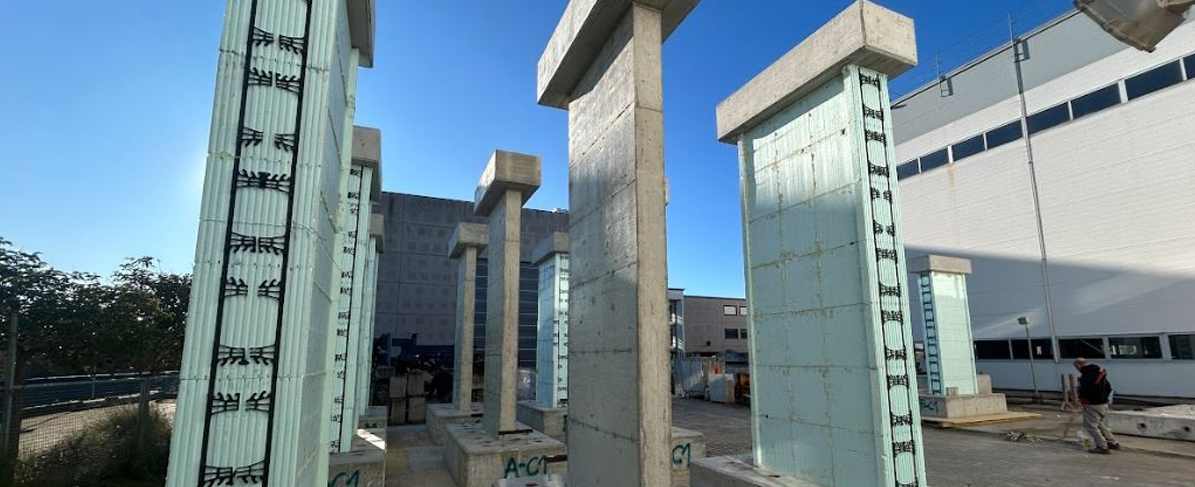
In North America and Europe, safety concerns have been growing around severe seismic activity, especially after 3 major earthquakes in 2020 across Croatia, Turkey and Greece caused more than 1 billion Euros in damage. So how can we design buildings to be safer during earthquakes? Tremco Construction Products Group and their Nudura® Insulated Concrete Forms (ICFs) and framing brand have partnered with the Eucentre Foundation, a global leader in earthquake research and engineering located in Italy, to explore the building design options for earthquake-resistant construction. Starting with cyclic testing of Nudura ICF walls, this data will serve as a prototype for developing a Seismic Cyclical Shear Test Standard for reinforced concrete structures that will eventually be included in European design standards, Eurocode 8: Design of structures for earthquake resistance. The goal is to standardize building material performance testing to reduce the potential of infrastructure damage and loss of lives associated with seismic activity. Continue reading full article here.

2 03, 2026

Construction to Withstand Natural Disasters

By |2026-01-16T14:00:10-06:00March 2, 2026|Featured|

Building for Resilience: Adapting Construction to Withstand Natural Disasters Despite the increased frequency and intensity of natural disasters in the United States and Canada, extreme weather like hurricanes, tornadoes, flooding and wildfires do not have to mean devastation for our communities. This article highlights the urgent need and practical implementation of proactive hazard mitigation, reinforced building codes and resilient construction practices to save lives, protect infrastructure and speed economic recovery in the wake of climate disaster events. Continue reading and learning more here.

23 02, 2026

School Safety Starts with Design: The Role of ICF Storm Shelters in Schools

By |2026-01-16T13:57:20-06:00February 23, 2026|Featured|

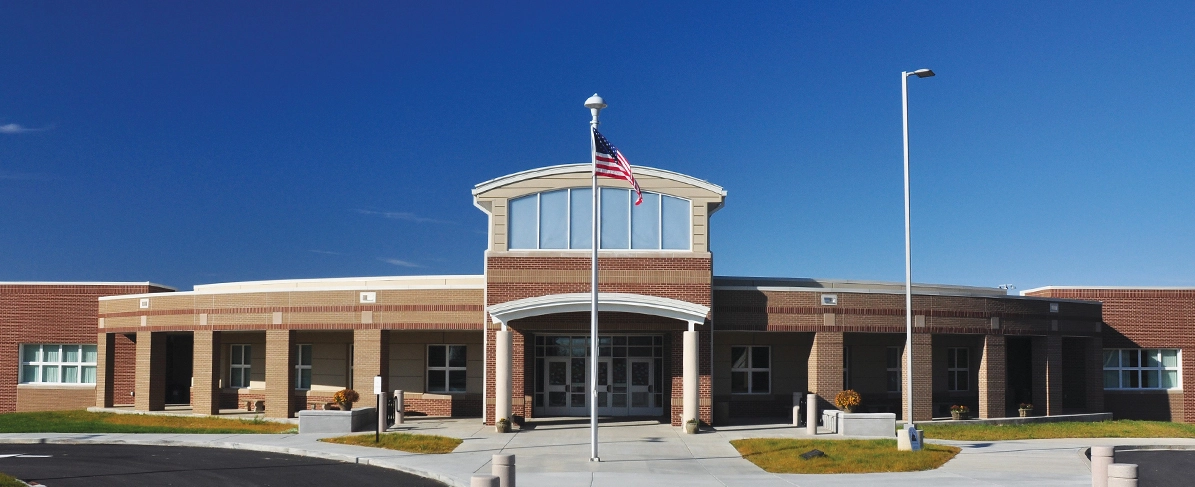
When it comes to the safety of students and faculty, schools can no longer afford to overlook storm shelters as an essential component in their buildings. With the increase in natural disasters like tornadoes and hurricanes, educational facilities must protect their communities while also meeting evolving building codes and tight budgets. The question becomes how can schools include storm shelters in a cost-effective manner without compromising safety or functionality? In this blog we’ll explore why storm shelters are essential, the challenges schools may face in building them and practical solutions school districts can use during construction to deliver student safety. Why do we need storm shelters in schools? Extreme weather is on the rise with a growing number of tornadoes and hurricanes impacting regions across North America. Considering the risks, the International Building Code (IBC) now mandates schools in ICC 500 high-speed wind zones and with occupancy levels over 50 people to include storm shelters built to ICC 500 standards. Even for school districts outside of these areas, constructing a safe room or storm shelter future proofs your building and provides protection for students and staff. These added security measures can even enable your school to serve as a community storm [...]

16 02, 2026

Dave Marrs’ Advice for Homebuilders New to ICFs

By |2026-01-16T13:55:23-06:00February 16, 2026|Featured|

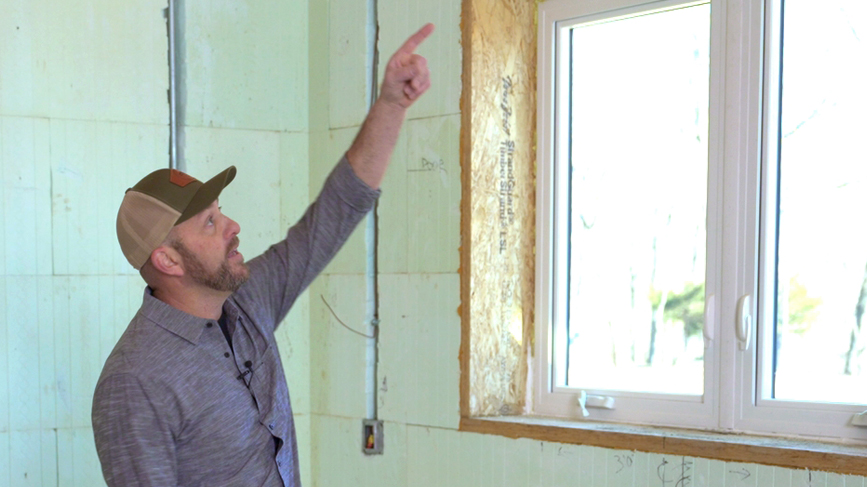
Dave Marrs, co-host of HGTV’s Fixer to Fabulous, is not just a television personality but also an accomplished homebuilder with over 20 years in the residential construction industry. In a recent Roofers Coffee Shop podcast, Dave spoke about his experiences building houses in Arkansas using Insulated Concrete Forms (ICFs) and his newfound passion for the technology. Take a listen for yourself or read on to uncover Dave’s advice to contractors who are new to building with ICFs like he once was. How ICFs Revolutionize Homebuilding Insulated Concrete Forms are two panels of expanded polystyrene (EPS) foam connected together with a web system, reinforced with rebar, and then filled with concrete to create a structurally solid and highly insulated wall. Compared to traditional wood-frame construction, ICFs provide continuous insulation that maximizes thermal efficiency and reduces heating and cooling costs for the owner. For Dave, the appeal of ICFs lies in their ability to deliver “sustainability without sacrifice”. In addition to being eco-friendly, building with ICFs improves a structure’s fireproofing, sound dampening and resistance to high winds and debris impact. This disaster protection was critical for Dave’s projects in Arkansas, where they’re seeing an increase in tornado activity. Therefore, he says that contractors should view ICFs as a unique opportunity [...]

4 02, 2026

Choosing ICF or Steel for Commercial Construction?

By |2025-12-10T13:51:08-06:00February 4, 2026|Design, Featured, ICF Projects|

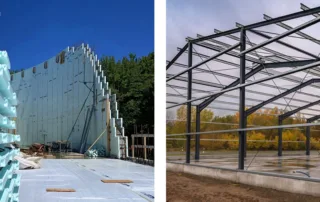
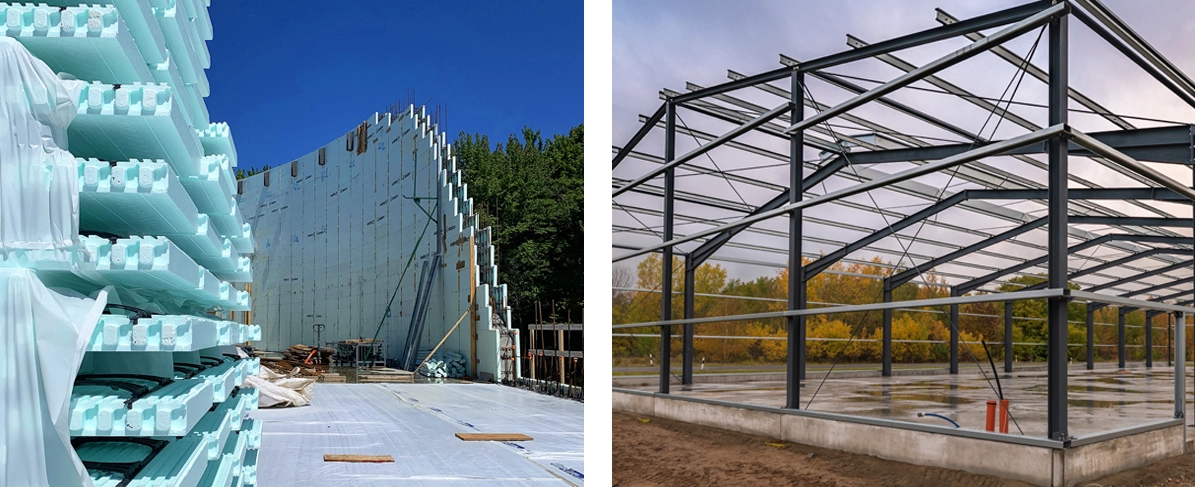
If you’re planning a large-scale commercial build, choosing the right building materials is the foundation for your success. Considerations such as energy efficiency, budget and long-term performance are essential when comparing your options. Insulated Concrete Forms (ICFs) and steel construction stand out as top contenders, but which is the best solution for your project’s needs? This guide offers a detailed comparison of ICFs and steel-framing, examining critical factors such as durability, energy efficiency and cost-effectiveness. Energy Performance When it comes to thermal performance, ICFs far surpass steel construction. ICF walls feature continuous insulation (CI) on both the interior and exterior, eliminating thermal bridging, minimizing air leakage and improving energy efficiency. For example, a standard 6-inch Nudura ICF wall achieves an R-value of R24. Meanwhile, steel’s high thermal conductivity leads to significant heat transfer issues, reducing conventional insulation effectiveness by up to 63% ..The energy inefficiency with steel significantly impacts HVAC performance, resulting in higher operational expenditures over the life of the building and potential occupant discomfort due to inconsistent indoor temperatures. With ICFs, you not only have optimal energy performance but also lower HVAC demand, which can reduce monthly utility bills by up to 60%. Learn more by clicking here.

Go to Top