
nrodgers

About Natalie Rodgers

This author has not yet filled in any details.
So far Natalie Rodgers has created 64 blog entries.

Building Safer, More Sustainable Schools with ICFs

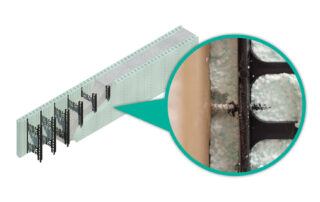
As more schools seek sustainable design practices and strategies to decrease their maintenance and operational costs, Insulated Concrete Forms (ICFs) have emerged as the dominant construction method for new educational facilities. In this blog post, we’ll break down the applications of this building technology and how ICFs benefit school officials of all levels, the students and the community at large. What are ICFs? Insulated Concrete Forms are hollow blocks of foam insulation that are stacked, filled with concrete and reinforced with steel rebar. When the concrete cures, you’re left with a durable structural wall system that has continuous insulation on the interior and exterior of the building. ICF construction is used across residential and commercial applications for any project that needs greater strength or energy-efficiency. Continue reading full article here.

By |2025-05-16T09:21:37-05:00June 13, 2025|Design, Featured, ICF Projects|

Everyone Wins: How ICFs Benefit All Home Construction Stakeholders

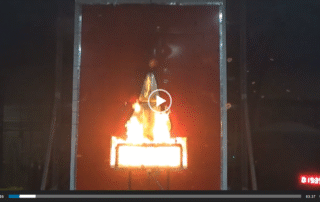
Building a new home isn’t just about getting the walls up fast and efficiently, it’s about crafting a safe, sustainable and comfortable shelter that stands the test of time. The best building method to achieve an energy-efficient and durable house is Insulated Concrete Forms (ICFs). Whether you’re a homeowner, architect, contractor or distributor, keep reading to see how ICFs streamline residential building construction while addressing your unique needs. ICF Benefits for Homeowners Using ICFs and concrete for load-bearing walls results in a strong, highly insulated home that can withstand anything nature throws at it. Here’s how Nudura® concrete forms benefit homeowners: 1. Maximum Energy Efficiency With two layers of continuous insulation, an ICF home can achieve up to a 58% increase in energy efficiency. That means lower utility bills and a smaller environmental footprint—a win-win for the homeowner and the planet. 2. Family Safety & Built to Endure Nature’s Fury ICF houses are more resilient than those that rely solely on wood framing. They withstand winds up to 250 mph (402 kph) to provide superior protection against hurricanes, tornadoes and other extreme weather. With a minimum of a 6-inch (152 mm) concrete core, ICF walls have a fire-resistance rating of over 4 [...]

By |2025-05-16T09:16:06-05:00May 30, 2025|Featured|

How ICFs Keep Families Safe From Tornadoes: A Q&A with HGTV’s Dave Marrs

Host of HGTV's Fixer to Fabulous, Dave Marrs, and his family are based in Bentonville, Arkansas, an area prone to tornado activity. They have lived through two tornadoes in just the last five years and have experienced first-hand the fear that sets in when winds pick up, the tornado sirens sound and phone alerts go off. In that period, the Marrs family was spared with only some roof and vehicle damage, but others in their community were not so lucky. In talking with Dave about how to protect homes from tornadoes, he shared with us how he recommends building with Insulated Concrete Forms, or ICFs, to keep families safe from these dangerous storms. Learn more about Dave’s experiences with ICFs here and keep reading for a look at our Q&A with Dave Marrs. Q. Having kids, why is it important that a home can withstand extreme weather? Marrs: From my personal experience, it is absolutely necessary to create structures that can withstand extreme weather for anyone you love, especially your kids. Our youngest son, Luke, is still terrified of storms after enduring a tornado. As a dad, I never want my kids to experience that again. Continue reading full blog post here.

By |2025-05-16T09:13:14-05:00May 16, 2025|Miscellaneous|

Looking for in-person ICF installer training?

Nudura offers a one-day basic installer training program which teaches participants basic Nudura ICF installation skills for concrete homes and light commercial structures. Led by a certified Nudura installation specialist and experienced ICF installer, we’ll break down the installation process, work through common building scenarios that arise in the field, and explain how our accessory products help speed up the installation process. WHAT TO EXPECT?  Our trainers offer an open discussion-style training seminar with a Q&A period. The course will consist of a PowerPoint presentation, videos, interactive discussions, and two hands-on demonstrations building with the products. Architects can earn 5 AIA CEUs for this course. DATES AND LOCATIONS Courses are offered in the US and Canada throughout the year. Click “CANADA COURSES” or “US COURSES” to find upcoming dates in your area. Learn more about what the Nudura ICF Basic Installer Training has to offer by clicking here.

By |2024-11-13T12:32:46-06:00December 30, 2024|Featured, Training|

FAQs: Electrical and Plumbing in ICF Walls

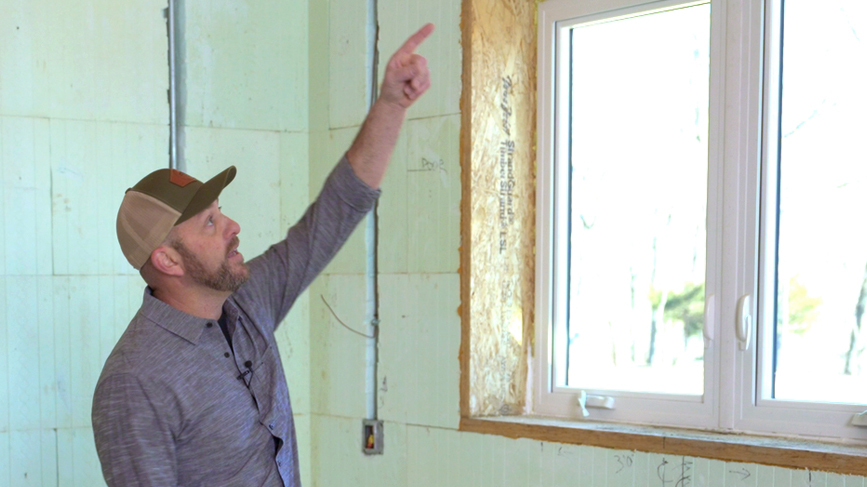
In modern construction, Insulated Concrete Forms (ICFs) have become an increasingly popular choice for builders, designers, and skilled DIYers! While ICFs have numerous benefits, such as withstanding extreme weather conditions, offering unparalleled energy efficiency, and supporting various finishes, there is often uncertainty from tradespeople about installing electrical and plumbing systems in ICF walls.Let's answer those questions with insights from Eric Miller, a general contractor at Miller Integrated Design, who shared with us his expertise in handling electrical and plumbing installations in ICF buildings. Learn more by continuing reading here.

By |2024-11-13T12:17:03-06:00December 2, 2024|Featured, ICF Projects|
Go to Top