
News

26 05, 2023

How to Design Your Dream Custom-Built Home

By |2023-05-04T13:49:16-05:00May 26, 2023|Design, Featured|

There are many advantages to designing your own home. Gone are the builder-basic styles, layouts that don’t work for your family, and exteriors you can’t tell apart from your neighbors’. To help with your planning, check out these pro tips: Find the Right Property There are no limits to what you can create with a custom-built home, but the size and quality of your lot do impose restrictions. While you don’t need to have everything decided when you purchase the property, make sure you have a general idea of what you need — your architect or contractor can help with this. Also, double check zoning laws, so you don’t wind up not being able to build your dream three-stories on a residential street that only allows bungalows. Built in Pismo Beach, California, the Bluff House took advantage of Nudura ICF's design flexibility. Consider Your Lifestyle What kind of lifestyle do you want? What’s important to you? From bigger elements like smart home automation and sustainability, to smaller considerations like storage and organization, think of these when designing the layout and built-in elements. For example, if you hate shoveling, now is the time to make sure you have the shortest driveway possible. Read [...]

11 05, 2023

4 Benefits of Using ICFs for Building Swimming Pools

By |2023-05-11T13:40:51-05:00May 11, 2023|Design, Featured|

ICFs are gaining popularity as the material of choice for basements and above grade walls. But did you know that insulated concrete forms are also the ideal solution for building swimming pool walls? Logix ICFs provide both the pool builder and user with several key benefits, including energy efficiency, design versatility, and ease of installation. In the post below, we will examine these most crucial advantages of ICF swimming pools in greater detail. 1. Reduce Reliance on Skilled Labor Logix ICF Being Installed For Pool Walls You don’t need specialized, skilled laborers to build swimming pools with ICFs. ICF construction is a relatively straightforward building technique, and a local crew experienced with ICFs should be up to the task of constructing an ICF pool with speed and quality. That’s because ICFs are essentially stay-in-place forms, which are incredibly easy to erect and modify to suit the design at hand. This ability to build pools without skilled labor means that you can execute your projects cheaper and faster, especially given the current, persisting skilled worker shortage. What’s more, there’s no need to risk your project schedule by placing your trust in unpredictable supply chains and ordering rare, exotic building [...]

5 05, 2023

3 Reasons to Build a Disaster-Proof Home

By |2023-05-04T13:44:22-05:00May 5, 2023|Featured|

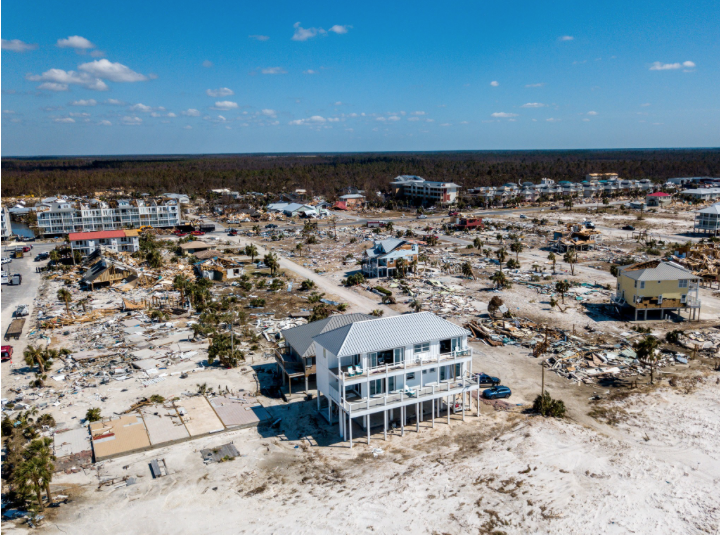
With the climate crisis creating more severe weather events across North America, having a house that can stand up to the worst nature has to offer is more important than ever. Whether it’s tornados, wildfires, floods, hurricanes, or earthquakes, you want to know that you and your family are safe and protected. This means making sure your home is built with quality products that can withstand wind, hail, fire, and more. One of the best disaster-resilient materials on the market are insulated concrete forms (ICFs) from Nudura. The ICFs can be used instead of wood for superior strength, safety, and durability against extreme weather conditions. It also offers lower utility costs over the lifespan of your home. Here are just some of the reasons to consider building your next home with disaster-resilient ICFs: Fire ProtectionConcrete is tougher and less flammable than wood, so if there is a fire, you and your family will be much safer in an ICF home. The ICF wall’s concrete core combined with non-toxic, fire retardant expanded polystyrene foam provides a fire protection rating of up to four hours. Wind ResistanceICF homes can be designed to withstand winds of up to 250 miles per hour (402 kilometers an hour), or [...]

29 03, 2023

The Advantages Of Fiberglass Rebar Over Steel Concrete Reinforcement

By |2023-03-31T09:03:23-05:00March 29, 2023|Featured|

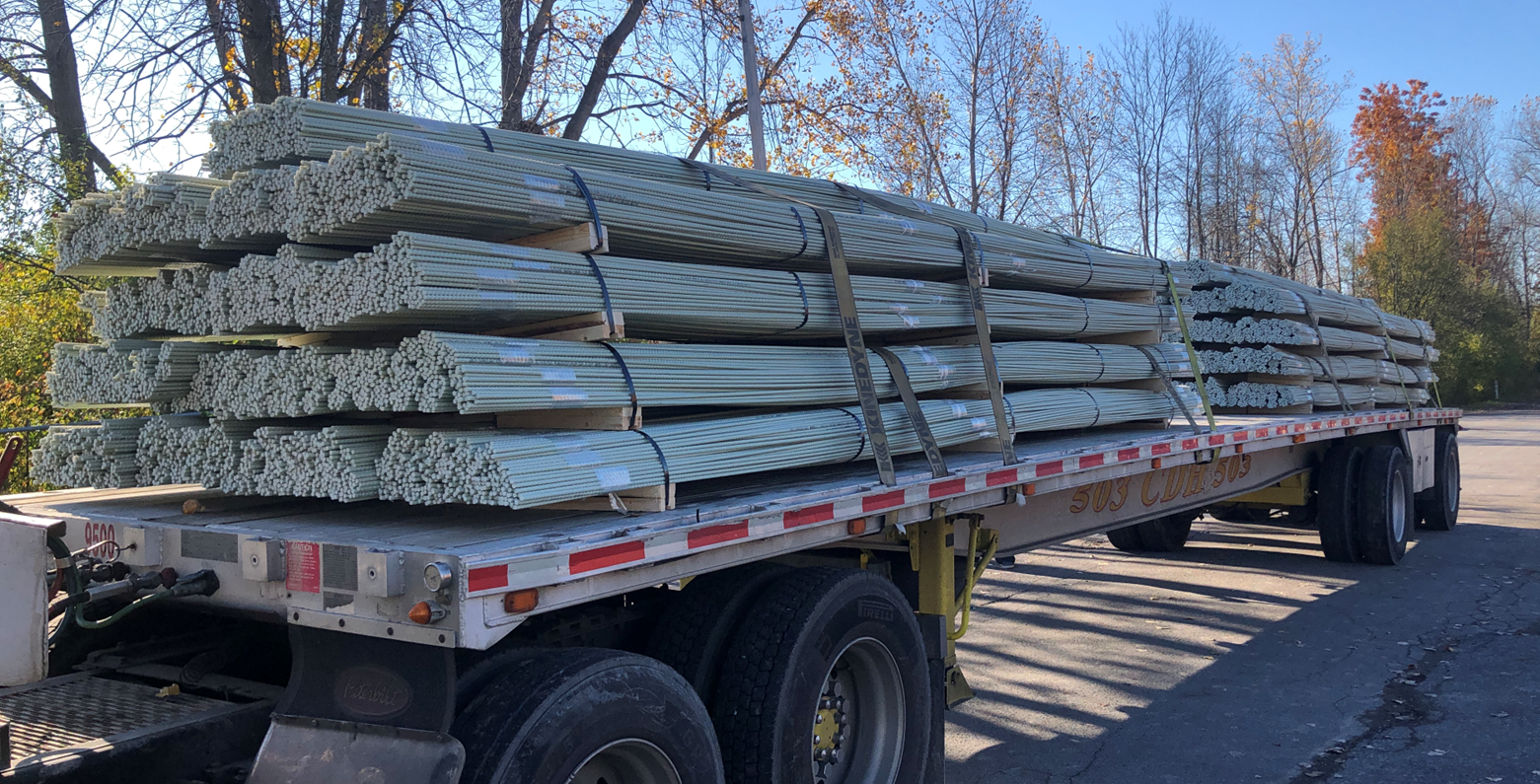
Steel reinforced concrete is the strongest, most resilient structural material in the world. But did you know that there is another option to reinforce concrete? Glass fiber reinforced polymer (GFRP) is a rebar material that’s more corrosion-resistant, lighter, and stronger than traditional steel. Logix ICF installers have enjoyed success with GFRP and in the post below, we will shine a light on what GFRP rebar is and what advantages it offers builders who reinforce their concrete with GFRP instead of steel. What is GFRP Rebar? Fibers within Fiberglass Rebar (Photo Credit: ICFMA) GFRP rebar is a type of synthetic reinforcement that’s made of a polymeric resin and strengthened with continuous glass fibers. GFRP has been available as an alternative reinforcement material to conventional steel since the 1990s. This synthetic rebar has enjoyed a gradual rise in popularity thanks to the many key advantages it offers to concrete buildings over its steel counterpart. What Advantages does GFRP Rebar Offer Over Steel? Logix ICF installers have discovered there are three essential advantages of GFRP over steel as a reinforcement material: better corrosion resistance, lower weight, and greater strength. Below, we provide a more comprehensive analysis of GFRP benefits over steel. [...]

23 02, 2023

How to Pour Concrete for ICF Walls in Cold Weather

By |2023-03-29T11:34:08-05:00February 23, 2023|Featured, Technical|

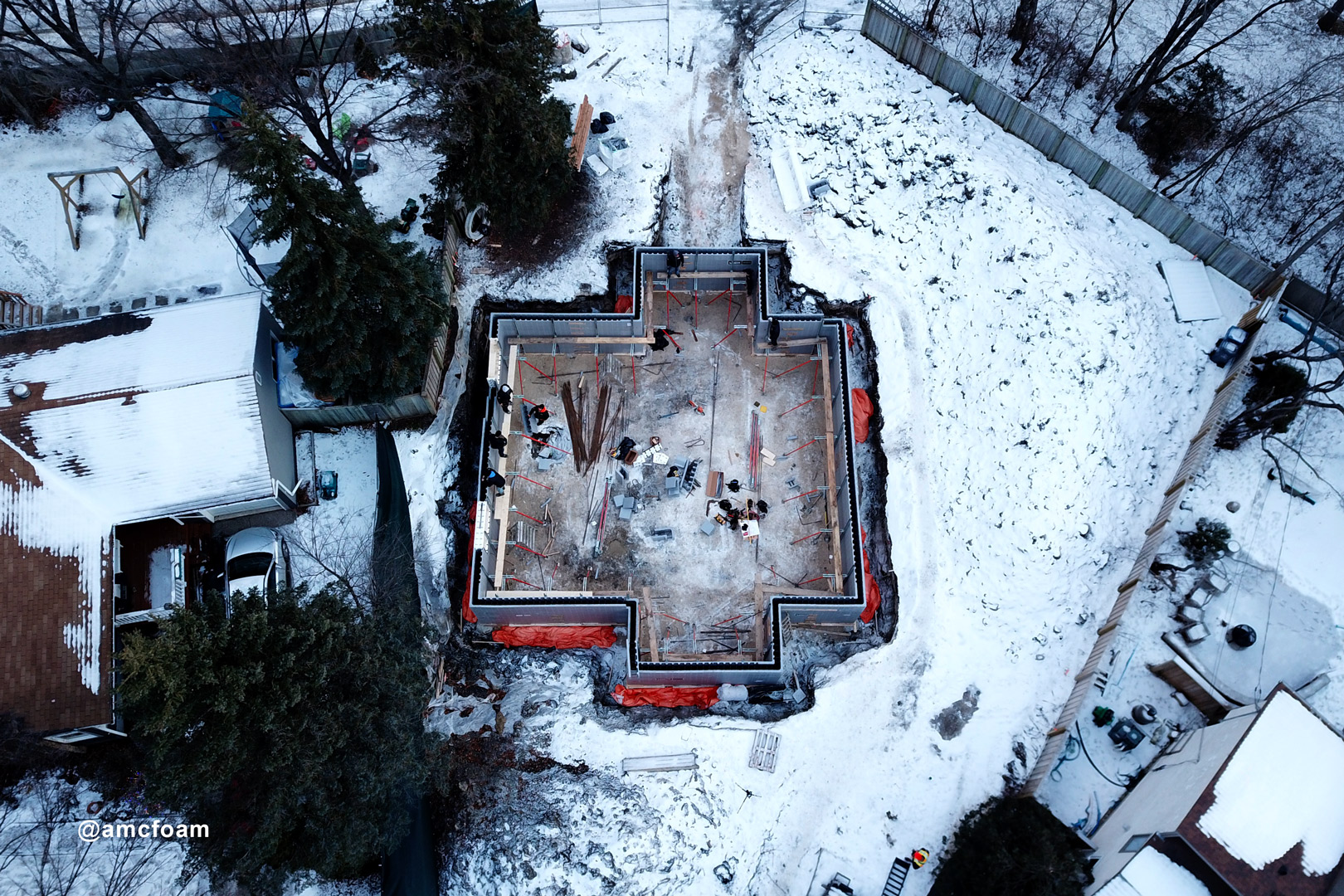
Pouring concrete in frigid weather seems like a dreadful task, but if you’re building with ICFs, don’t fret — you have it much easier than the guy pouring slabs or stairs. Your ICF walls give you a huge advantage in cold weather because they sandwich the freshly poured concrete between two layers of insulation and protect it from the hostile weather. But there are still things you can do to ensure your winter concrete pour goes off without a hitch — even with the added protection of the ICFs. In the post below, you’ll learn three simple strategies for pouring ICF concrete cores smoothly in subzero temperatures: Ensure proper concrete curing Discharge the concrete quickly Use admixtures to accelerate curing We’ve got the details below, so read on to find out more. 1.   Ensure Proper Curing Temperature at the Top of the Wall The top of an ICF wall is the concrete core’s weakest part in cold weather, and you must take care to protect it if you want the concrete to cure properly. Here’s why. When pouring concrete in freezing temperatures, you have to ensure that the mix maintains a specific ambient temperature to cure correctly. Per the standard, [...]

Go to Top